New AI-powered blood test approach may help detect PSC in people with IBD
Findings suggest PSC-IBD may be a distinct condition from IBD alone
Written by |

An artificial intelligence (AI) tool that analyzes patterns in blood molecules may help distinguish people with primary sclerosing cholangitis (PSC) and inflammatory bowel disease (IBD) from those with IBD alone, a study showed.
Some of the differences between PSC-associated IBD (PSC-IBD) and IBD alone were linked to patterns in gut bacteria, suggesting that people with PSC-IBD may have more pro-inflammatory bacteria and fewer bacteria important for gut health. IBD refers to a group of diseases characterized by inflammation in the gastrointestinal tract that often occur alongside PSC.
Results support PSC-IBD as distinct from IBD alone
The findings further support the “hypothesis that PSC-IBD is a different entity from IBD without PSC,” the researchers wrote.
The study, “Univariate- and machine learning-based plasma metabolite signature differentiates PSC-IBD from IBD and is predicted to be driven by gut microbial changes,” was published in Metabolomics.
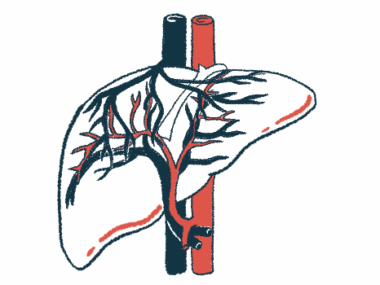
PSC is an autoimmune disease marked by inflammation in the bile ducts, a series of tubes that normally carry digestive substances from the liver to the intestines. PSC is closely associated with IBD, with nearly three-quarters of PSC patients also having IBD and about 2% to 8% of people with IBD developing PSC.
People with PSC-IBD tend to show notable differences in disease outcomes and tissue analyses, which has led many scientists to propose that PSC-IBD may be considered its own disease distinct from IBD without PSC.
Here, scientists in the Netherlands set out to test whether analyzing blood metabolite patterns could help distinguish PSC-IBD from IBD. Metabolites are molecules involved in the body’s normal chemical processes that keep cells functioning.
Blood samples analyzed to identify PSC patterns in IBD
The researchers collected blood samples from 348 IBD patients, including a subgroup who also had PSC.
After measuring patterns of small molecules in the blood using mass spectrometry, the researchers analyzed the data using MetaboShiny, their previously developed tool for analyzing metabolic data, together with machine learning methods.
Machine learning is a form of artificial intelligence that works by feeding a computer large amounts of data so it can identify patterns. The computer can use these patterns to analyze new data. In this study, about 80% of the data was used for machine learning with cross-validation, while a separate portion was used for additional analyses.
The researchers found that their metabolite-based machine learning tool could distinguish PSC-IBD from IBD with good accuracy, with an area under the receiver operating characteristic curve (AUROC) of 0.81. AUROC is a statistical measure of how well a test distinguishes between two groups, with higher numbers reflecting better accuracy.
“PSC can be predicted accurately within IBD patients by [machine learning],” the team wrote.
Model accuracy varied depending on treatment status
The scientists noted, however, that their model showed substantially worse accuracy in the small subset of PSC patients who were not being treated with ursodeoxycholic acid (UDCA), a treatment commonly used off-label in PSC that is sold as Urso and Actigall in the U.S.
“The reduced performance of the model in non-UDCA patients is not due to the small sample size and is potentially due to the relatively low number of [small bile duct-affected] PSC patients, which has little representation in the training set and may therefore be more difficult to predict,” the researchers wrote. “Regardless, to improve our model quality, future follow-up studies should include more IBD-PSC patients, ideally prior to UDCA treatment.”
The model identified a metabolic signature of PSC-IBD that consisted of 2,279 metabolite-related signals, the majority of which were related to changes in metabolism of amino acids, the building blocks of proteins, and vitamins.
The researchers then focused on metabolites linked to gut bacteria, as disruptions of the bacteria in the intestines have been closely linked with both PSC and IBD.
Gut-related changes may help explain PSC-IBD differences
They found that people with PSC-IBD tend to have more metabolites linked to pro-inflammatory bacteria and species previously associated with inflammation in the gut and liver. This group of patients also showed a reduction in metabolites associated with bacteria that are important for gut health and maintaining the gut lining.
This suggests that people with PSC-IBD may have changes in gut bacteria that could disrupt the gut lining, sometimes described as a ‘leaky gut,’ potentially allowing bacteria or their products to reach the liver and contribute to inflammation.
“Next to predicted changes in amino acid and vitamin metabolism, our analyses predict increases in pro-inflammatory and decreases in protective bacterial subsets,” the team wrote.
Data also indicated that people with PSC-IBD had higher levels of metabolites linked to bacteria associated with the oral cavity.
These changes in gut bacteria may play a role in PSC-IBD, though the researchers cautioned that it is not possible to determine whether these changes are a cause or a consequence of the disease. Still, they said this finding of altered gut bacterial activity is consistent with the notion that PSC-IBD is biologically distinct from IBD without PSC.