I never planned to be a liver advocate, and neither did most of us
Making the invisible visible in liver disease
Written by |
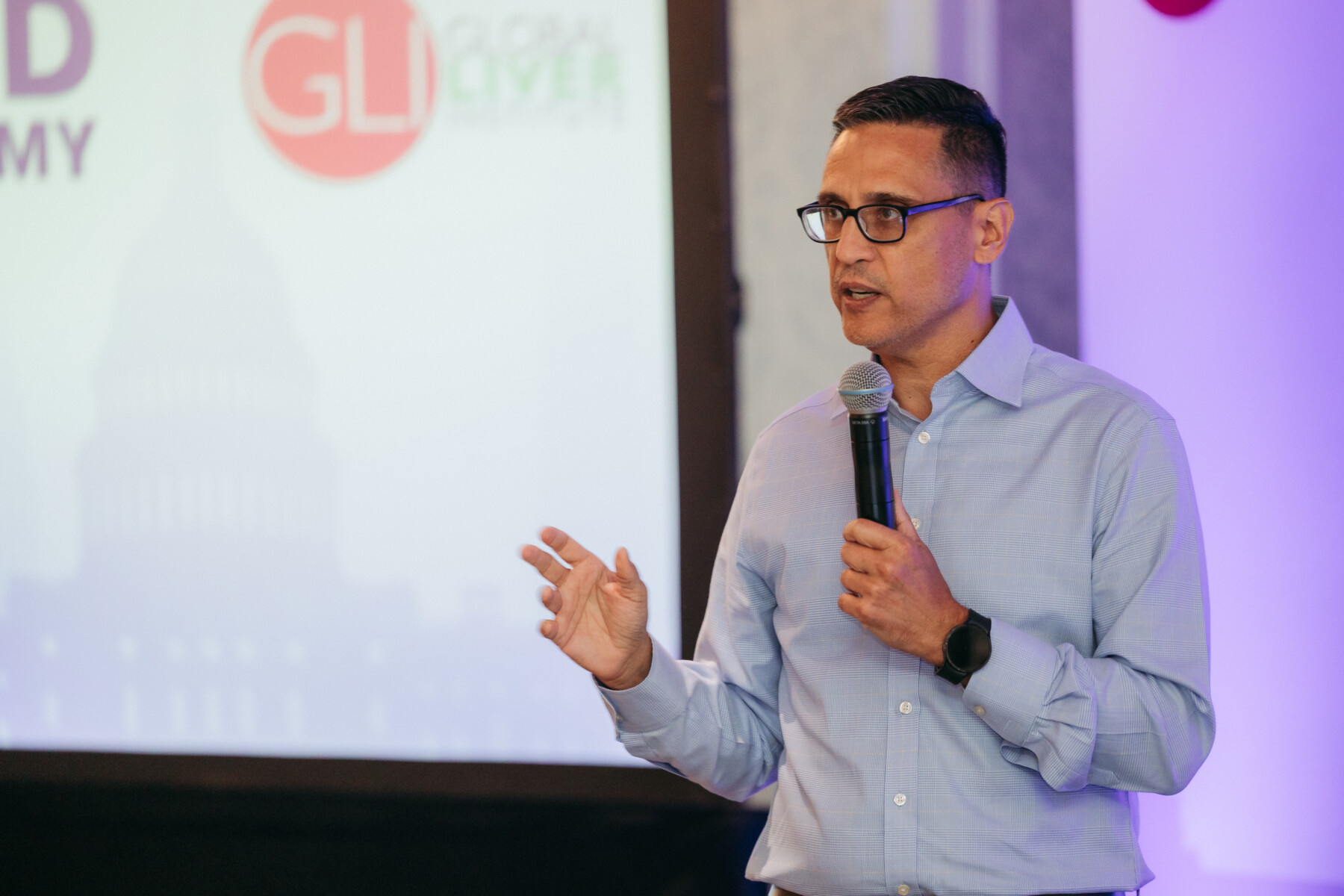
Larry R. Holden is the CEO and president of the Global Liver Institute. (Photo courtesy of GLI)
This article was provided by our partner, Global Liver Institute. It has been reviewed by Bionews for accuracy and relevance. The views and opinions expressed are those of the author and do not necessarily reflect the views of Bionews or Liver Disease News.
There’s a question I’m asked often: “How did you get involved in liver disease advocacy?” The truth is, it was not a planned decision. From my earliest days as a Boy Scout in Colorado, serving my community and giving back were a core part of who I wanted to be.
Advocacy became personal when two immediate family members were diagnosed with liver disease. Liver disease, especially those that are rare, isn’t something you prepare for or expect to encounter. Yet once it enters your world, it becomes impossible to ignore.
I remember the confusion, the unanswered questions, the shock, and the countless doctor visits. As a family, we quickly experienced how isolating a liver disease diagnosis could feel.
There are more than 100 rare liver diseases, yet many remain unknown and often invisible. Early symptoms can be easily overlooked or misattributed to other conditions. Patients and their families can spend years seeking answers and a proper diagnosis.
That delay may mean lost time, worsening health outcomes, and fewer options.
That is why initiatives such as the Global Liver Institute’s #RareAware campaign exist to highlight the importance of early diagnosis and coordinated care, and to remind us that awareness matters.
At a time when funding for rare diseases continues to decline, patient voices are more critical than ever. I learned early in my work on Capitol Hill that nothing resonates with policymakers more than the lived experiences of the people they serve. Stories give a human face to the issue, and data strengthens the case for action.
When patients and caregivers share their journeys, the challenges in getting an accurate diagnosis, the fight for access to care, and the burden of navigating complex health systems, they change how leaders think, vote, and act. Advocacy, at its core, is about making sure those stories are heard where decisions are made.
I have seen firsthand how one story can make an impact and turn awareness into action. That belief continues to guide my work today and every day. Supporting efforts that bring patients, caregivers, healthcare professionals, and policymakers to the same table is one of the most meaningful ways to drive progress.
Today, I encourage you to stand up for yourself, for your loved ones, and for those who are still searching for a diagnosis. Talk about liver health. Talk about rare diseases. Talk about the policies. Your voice has power, and it can shape the future of liver health.
What begins as a personal experience can become hope for others. Through shared stories, collaboration, and continued advocacy, we can create a better future for the community we serve, one with better care and meaningful support for every patient and their families.