
Itching drives healthcare costs higher for PBC patients, study finds
Expenses include hospital stays, doctor visits, medications
Written by |
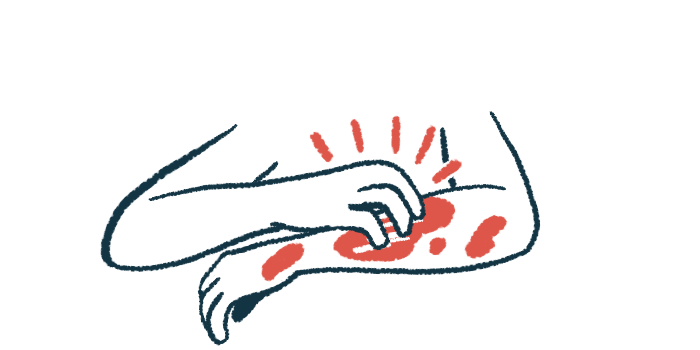
People with primary biliary cholangitis (PBC) who experience itching (pruritus) use more healthcare resources and have significantly higher medical costs than those without this debilitating symptom, a study in the U.S. showed.
Patients with pruritus were significantly more likely to require hospital stays, emergency department visits, outpatient care, and prescription medications, reflecting a $14,254 higher annual healthcare cost per patient.
“Improved recognition, expanded access to care, and effective management, including novel therapies, are needed to reduce the prevalence of pruritus in PBC and mitigate its clinical and economic impact,” the researchers wrote.
The study, “Association Between Pruritus and Healthcare Utilization and Costs Among Individuals With Primary Biliary Cholangitis,” was published in Liver International Communications. It was funded by Gilead Sciences, which markets Livdelzi (seladelpar), a medication approved as a second-line treatment for PBC.
PBC, affecting an estimated 40 people per 100,000 in the U.S., is a chronic form of cholangitis, or inflammation of the ducts that carry the digestive fluid bile from the liver to the small intestine. Symptoms include yellowing of the skin and eyes, pain, fatigue, and itching.

Itching affects most PBC patients, yet data on cost impact are limited
Pruritus affects as many as 75% of PBC patients, and has been associated with sleep disturbances, fatigue, mental health issues, and reduced quality of life. However, “real-world evidence of its impact on healthcare resource utilization (HCRU) and costs remains limited,” the researchers wrote.
The team, led by researchers at Gilead, retrospectively analyzed medical claims and laboratory data from adults with PBC from September 2017 to September 2023. The starting date (baseline) was a randomly selected medical event with or without a pruritus diagnosis after the initial PBC diagnosis. More than 52,000 PBC patients were identified: 10,077 with pruritus (19.4%) and 41,957 without.
Participants with pruritus were significantly more likely to be women (87.8% vs. 85.4%) and younger than 45 than those in the non-pruritus group (11.6% vs. 6%). They were also significantly more likely to be Black (7.5% vs. 4.5%) or Hispanic/Latino (13.9% vs. 11.6%). The researchers said this “may reflect disparities in the underlying prevalence of pruritus, differences in healthcare access, or variation in symptom recognition or documentation by providers.”
The pruritus group showed significantly higher rates of moderate or severe liver disease (20.2% vs. 12%), irreversible liver scarring (40.3% vs. 29.7%), metabolic syndrome (62.2% vs. 54.6%), and metabolic and alcohol-associated liver disease, a form of steatotic liver disease (16.5% vs. 13%). Scores on the Charlson Comorbidity Index, an indicator of overall health burden based on coexisting conditions, were significantly higher among patients with pruritus (3.5 vs. 2.8).
Several other symptoms were also significantly more frequent in the pruritus group. These included fatigue (31.7% vs. 21.4%), anxiety (27.5% vs. 15%), and depression (25.1% vs. 13.8%).
Healthcare resource utilization was higher in the pruritus group, including significantly more outpatient visits per year (33.3 vs. 21.2). A significantly higher proportion of these patients had at least one inpatient admission in the previous year (17% vs. 9%) and visited an emergency department (33.1% vs. 19.8%).
Patients with pruritus were significantly more likely to have at least one medication prescription (88.8% vs. 79.9%) and received a significantly higher mean number of medication prescriptions per year (36.5 vs. 22).
Statistical analyses adjusted for baseline clinical and demographic features confirmed that pruritus was an independent predictor of increased healthcare resource utilization. Patients with pruritus had a significantly higher rate of hospitalizations (by 69%), emergency department visits (by 65%), medication prescriptions (by 44%), and outpatient visits (by 36%) relative to those without pruritus.
Unadjusted total annual healthcare costs per patient were also significantly higher for those with pruritus than for controls ($36,473 vs. $16,189), including inpatient admissions, emergency department and outpatient visits, and medication prescriptions.
“Pruritus was also significantly associated with an adjusted increase in annual total healthcare cost,” the researchers wrote. Annual costs totaled $39,949 for the pruritus group and $25,695 for the control group, meaning pruritus added $14,254, or 54%, to patients’ expenses, they wrote.




Leave a comment
Fill in the required fields to post. Your email address will not be published.